Summer humidity in southern Illinois presses on people and equipment the same way. When an air conditioner falters in wood river, il, the instinct is to rush for the fastest fix. A faster fix can be wasteful, expensive over time, or illegal when it involves refrigerant handling. B & W Heating & Cooling has repaired hundreds of systems across madison county, and the teams I work with treat efficiency and environmental care as part of every job. This article explains what eco-friendly ac repair looks like on the ground, why it matters here, and what realistic choices homeowners and property managers face.
Why eco-friendly repairs matter locally
Wood river sits in a humid continental pocket. Peak heat and humidity in july and august push many systems into continuous operation for days. That constant load exposes small issues fast: a minor refrigerant leak becomes an iced evaporator coil, clogged filters reduce airflow and allow motors to overheat, and neglected condensate drains back up into control boxes.
Two outcomes are common when those failures are handled poorly. First, energy use spikes. A compressor running inefficiently can use 20 to 40 percent more electricity than a well-tuned unit. For a typical 2,000-square-foot home, that can mean an extra $200 to $500 in summer electric bills. Second, environmental harm follows improper refrigerant handling. Older units still using r-22 must be serviced with care; r-22 production ceased in many countries years ago, and venting it during service is illegal and harmful.
B & W Heating & Cooling approaches repair work as both a mechanical and environmental responsibility. The company documents refrigerant recovered, uses leak detection to find and fix sources rather than topping systems off, and recommends upgrades when repair costs approach replacement costs. Those steps save energy, reduce risk of future failures, and keep refrigerants out of the atmosphere.
Common failures and eco-friendly responses
Compressor failure, refrigerant leaks, poor airflow, dirty coils, malfunctioning thermostats, and failed capacitors show up in most service calls. Not all of those require the same kind of eco-minded response.
Compressor and motor problems When a compressor shows early signs of metal fatigue or electrical wear, the decision is repair or replace. Repair means replacing electrical components, cleaning the system, and performing a full evacuation and recharge. Replace means selecting a new unit matched to the home and installed to minimize future leakage and maximize efficiency.
Eco trade-off: repairing older compressors on units manufactured before 2006 can keep a system running, but those compressors typically run on older refrigerants and are less efficient. Replacing with a modern, high-efficiency unit often reduces electricity use by 15 to 30 percent and eliminates the need for servicing obsolete refrigerants.
Refrigerant leaks A common temptation is to add refrigerant and send the truck. That masks the problem and can violate refrigerant laws. B & W uses electronic leak detectors, UV dye tracing, and pressure testing to find leaks, then repairs them with brazing or component replacement. After repair, technicians evacuate the system to remove moisture and non-condensables, and they reclaim or recycle recovered refrigerant rather than venting it.
Practical detail: a technician often needs 30 to 90 minutes to locate many leaks, depending on access and whether the leak is slow. For slow leaks, dye tracing under pressure proves useful, but it requires running the system for a period after the dye is introduced, so plan for a follow-up visit.
Airflow and duct problems Restricted airflow damages compressors and reduces efficiency. Dirty filters and clogged coils are straightforward fixes. Duct leaks, poor insulation, or undersized ducts are less obvious and contribute to energy loss and uneven cooling. B & W inspects static pressure and airflow and measures temperatures across the evaporator coil to identify airflow problems. Simple fixes may include filter changes and coil cleaning. If ducts leak, sealing and adding insulation often deliver the best environmental return on investment — sealing leaky ducts in an attic or crawlspace can reduce cooling loads by up to 20 percent.
Controls and thermostats A faulty thermostat can short-cycle a compressor or run the system inefficiently. Replacing an old programmable thermostat with a smart thermostat that supports remote scheduling, geofencing, and humidity control can reduce run time without sacrificing comfort. For homes with more complex zoning needs, adding dampers and zoning controls keeps conditioned air where it is needed, minimizing wasted conditioned space.
Refrigerant types and regulatory context
R-22, r-410a, and the newer low-global-warming-potential alternatives coexist in many service fleets. R-22 was phased out for new production in the united states beginning in 2010 and largely unavailable for servicing by 2020, so older systems still using it require reclaimed r-22 or conversion. R-410A became the industry standard because it operates at higher pressures and performs well, but it has a nontrivial global warming potential. Newer refrigerants with lower global warming potential are appearing, and manufacturers are designing systems to use those from the factory.
When servicing older equipment, B & W follows EPA regulations and documents refrigerant recovered. The team advises customers on whether repairs make sense or whether a replacement that uses a lower-GWP refrigerant will be more economical and environmentally responsible over five to ten years.
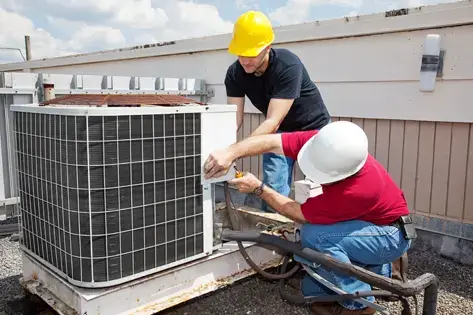
A concrete example: a 15-year-old central ac that has the evaporator coil corroded through, requires a compressor replacement, and runs on r-22 often costs 60 to 70 percent of the price of a new, high-efficiency unit when you add the evaporator coil and control updates. The new unit will reduce energy use and uses an approved refrigerant. Replacing is usually the better long-term choice.
Steps in an eco-friendly repair visit
Most homeowners notice a problem and call for service. A responsible repair follows a structured path that emphasizes diagnosis and prevention of future emissions.
First, a thorough intake: ask when the problem started, patterns, and any prior work. The best technicians start a call by validating the homeowner’s description, then confirm electrical supply, thermostat settings, and whether recent renovations could have affected ducts.
Second, an inspection and measurement sweep: reading system pressures, temperatures on both the supply and return, blower current, and static pressure in ductwork helps identify mechanical, airflow, or refrigerant problems. Visual inspection for oil stains, corrosion, rodent damage, and loose wiring reveals leak and safety issues.
Third, targeted repair with environmental safeguards: if refrigerant needs to be removed, technicians use recovery units to reclaim refrigerant into approved cylinders. If a leak is present, they repair the leak before recharging. They purge and evacuate systems to remove moisture, which prevents acid formation that shortens component life.
Fourth, verification and documentation: after repairs, B & W runs the system to verify pressures and temperatures, measures electrical draw to ensure no component is stressed, and leaves a record of refrigerant recovered or added. This documentation matters for future service and regulatory compliance.
Preparing your home for a green repair visit
A short checklist helps technicians get more done on the first visit and reduces truck rolls. Preparing reduces idling time and allows techs to focus on diagnosis.
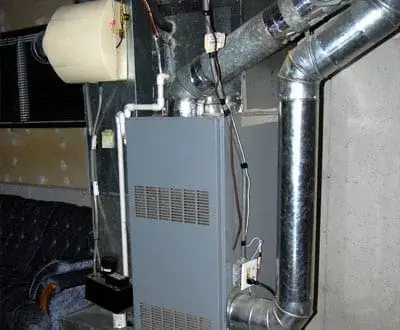
- Clear 3 to 4 feet around the outdoor unit, secure pets and children, and ensure access to the electrical disconnect and indoor air handler. Note recent changes such as new insulation, attic work, or roof repairs that could have disturbed ducts. Have model and age information for the furnace or air handler and condenser ready, if available. If you suspect a specific noise or cycle pattern, record the time it occurs; the pattern often reveals whether the problem is electrical, refrigerant-related, or airflow-limited. Confirm that the thermostat uses fresh batteries and that its settings are standard cooling (not an eco mode that reduces runtime).
Energy-saving upgrades that pair with repairs

Repair is often a bridge to longer-term efficiency projects. Some upgrades yield large environmental returns for modest cost.
Sealing and insulating ducts reduces lost cooling and can lower the load on the ac by 10 to 20 percent in leaky systems. For homes with attics or crawlspaces, adding r-19 to r-38 insulation levels where appropriate improves the building envelope and reduces peak loads.
Installing a variable-speed blower or a variable-speed compressor moves performance beyond simple on-off cycling. Variable-speed equipment adjusts output to the actual load, avoiding wasteful start-ups and reducing indoor humidity more consistently. The upfront premium https://www.google.com/search?kgmid=/g/1trcgzjl often pays for itself in three to seven years depending on usage.
Adding a high-efficiency air filter or a whole-house dehumidifier can improve comfort without lowering thermostat setpoints. Proper humidity control reduces perceived temperature, letting occupants raise the thermostat a degree or two and still feel cooler, cutting energy use.
On the greener end, heat pumps provide both cooling and efficient heating in moderate climates. Modern heat pumps perform well in most of illinois and should be considered when replacing a mismatched or failing ac system, especially when the existing furnace is nearing replacement age.
Costs, timelines, and decision thresholds
People ask whether to repair or replace, and the answer depends on age, efficiency, refrigerant type, and the nature of the failure. Use these practical thresholds as a guide.
If a system is under ten years old and the failure is component-level rather than systemic, repair usually makes sense. Component replacements on modern units often restore performance and extend life by five to seven years.
If a system is older than 12 to 15 years, runs on r-22, or has multiple failures (compressor plus evaporator coil, or frequent refrigerant losses), replacement will commonly be the better long-term value. Factor in the likely efficiency gain, expected annual energy savings, and incentive programs. Rebates from manufacturers, local utilities, and federal tax credits for high-efficiency systems can shift the economics considerably. B & W assists customers in identifying applicable rebates and prepares estimates showing payback years.
Expect simple repairs like capacitor or contactor replacement to take one to two hours and cost between $150 and $400, parts and labor depending on access. Finding and repairing refrigerant leaks can take two to four hours or longer, with costs that vary widely. A new mid-efficiency 2- to 3-ton split system, installed, typically ranges from $4,000 to $8,000 depending on efficiency and complexity, while a high-efficiency heat pump system can start higher but deliver larger annual savings.
Real-world examples and trade-offs
A homeowner in north wood river called after noticing reduced cooling and higher bills. The technicians found a small refrigerant leak near an elbow in the line set and heavy dust buildup on the outdoor coil. They repaired the brazed joint, recovered 3 pounds of refrigerant into an approved cylinder, performed a deep coil clean, and measured a 16 percent drop in compressor amp draw. The homeowner’s summer bills dropped roughly $70 to $90 per month compared with the prior year despite similar thermostat settings. The repair cost about $650, and the homeowner avoided a premature replacement.
Another scenario involved a four-bedroom ranch with ductwork in an uninsulated attic and a 14-year-old condenser. The system had a failing compressor and frequent thermostat complaints. Replacing the condenser alone would have left the inefficient ducts and the old evaporator coil in place, limiting gains. B & W recommended a full replacement with matched equipment, duct sealing, and attic insulation. Although the upfront cost was higher, the combined measures reduced the projected cooling load by nearly 30 percent, and the homeowner expects a payback in about five to seven years when accounting for energy savings and fewer service calls.
Sustainability beyond the service call
Eco-friendly repair includes steps that extend beyond immediate mechanical fixes. Proper disposal and recycling of old units, motors, and refrigerant cylinders prevents environmental contamination. Recording serial numbers, service notes, and refrigerant quantities creates a service history that helps future technicians make better decisions.
Education matters too. Customers trained in basic preventive steps, like changing filters regularly and keeping outdoor coils free of leaves and grass, avoid many common failures. Ten minutes every six weeks to vacuum or change filters and to trim eight to 12 inches of vegetation away from the outdoor unit prevents airflow restriction and reduces stress on the system.
What to expect from B & W Heating & Cooling
If you call B & W for ac repair in wood river il, expect an initial diagnostic that emphasizes measurement and verification. Technicians bring recovery equipment and leak-detection gear, and they document refrigerant recovered. They will lay out options: a repair that returns the system to safe operation, recommended preventive steps to reduce future service needs, and a replacement estimate when appropriate. The company typically offers multiple financing options to spread the cost of higher-efficiency replacements.
Their service model supports environmental practices: reclaiming refrigerant, recycling components, using low-impact cleaning chemicals when possible, and advising on longer-term upgrades that reduce electricity use. For businesses and property managers, B & W can provide maintenance plans with biannual inspections timed before peak cooling and heating seasons to catch small issues early.
Final practical advice for homeowners in wood river, il
A practical approach beats heroic fixes. Start with a proper diagnosis. If the technician suggests adding refrigerant as the only step, ask for a leak test and documentation of refrigerant quantities. Keep service records and be honest about thermostat habits, because occupant behavior affects system sizing and expectations. When given the option between repairing an older, r-22 system and replacing with a modern heat pump or high-efficiency ac, calculate the five- to ten-year operating costs, including likely rebates and the value of lower maintenance and fewer failures.
If you plan a repair visit, prepare the site with the checklist above, and ask the technician for a written estimate with options: repair now and monitor, repair and upgrade component X, or replace with recommended equipment. When choosing a replacement, insist on a matched system, proper refrigerant handling, and ductwork evaluation. Proper installation matters as much as equipment efficiency.
Making repair work eco-friendly takes modest extra time in diagnosis, some discipline about refrigerant recovery, and a willingness to advise customers toward better long-term choices rather than quick fixes. Those steps cut energy bills, reduce emissions, and extend equipment life, which benefits customers and the community. When you need ac repair in wood river il, consider B & W Heating & Cooling for technicians who treat efficiency and environmental responsibility as part of every job.
B & W Heating & Cooling
3925 Blackburn Rd, Edwardsville, IL 62025
+1 (618) 254-0645
[email protected]
Website: https://www.bwheatcool.com/